 01 — Case study
Jeeny ride hailing
Redesigning the rider app, driver app and internal tools of a ride-hailing platform, and giving all three one design system.
Jeeny is a ride-hailing platform in Saudi Arabia and Jordan. Riders book trips in one app, drivers accept them in another, and an operations team runs the service through internal web tools.
I designed across all three, from discovery through development. The work covered rider onboarding, ride booking, wallet and payments, driver onboarding and ride acceptance, and the design system that made the products consistent.
Three products, one team
Rider app
Onboarding, destination search, ride selection, trip tracking, cancellation, wallet and payments.
Driver app
Driver onboarding and sign-up, and how ride requests are presented so drivers have more time and context to accept.
Internal tools
Web tools for the operations team, such as managing subscription packages by area.
Product Designer
- Led product discovery, wireframing, prototyping and usability testing across mobile and web.
- Built and evolved a design system to keep the products consistent.
- Worked with product managers, engineers and stakeholders to define problems and deliver end-to-end experiences.
I was the product designer across the rider app, the driver app and the internal tools, working with stakeholders, developers and cross-functional teams from discovery through development.
More completed journeys on both sides
A ride-hailing marketplace only works when both sides complete their journey. The business needed more riders to finish booking, and more drivers to finish sign-up and accept the trips offered to them.
I started with product discovery and worked with stakeholders and developers to understand where the experience was getting in the way, then prototyped and tested solutions before they went to development.
Search, choose and confirm
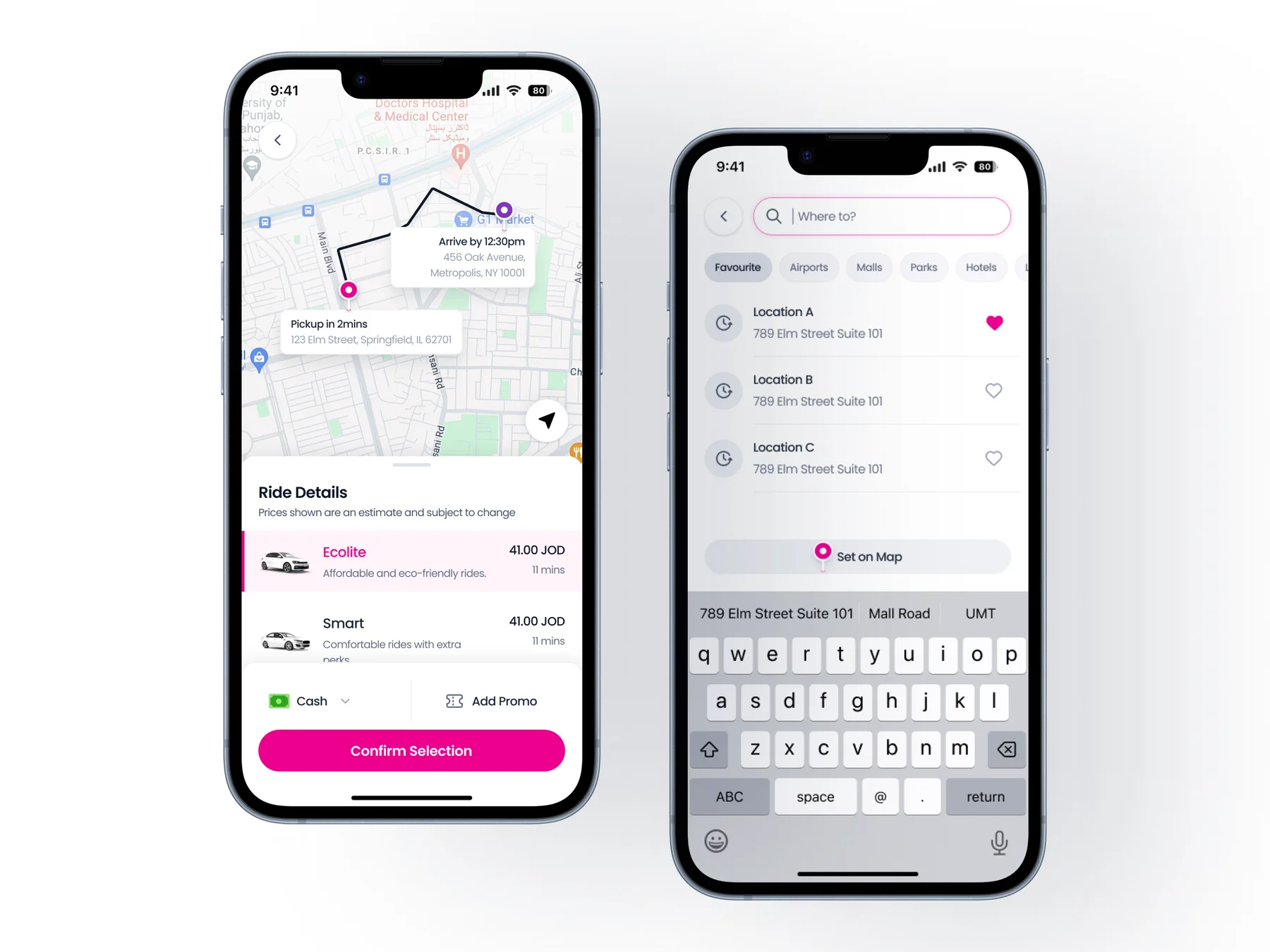
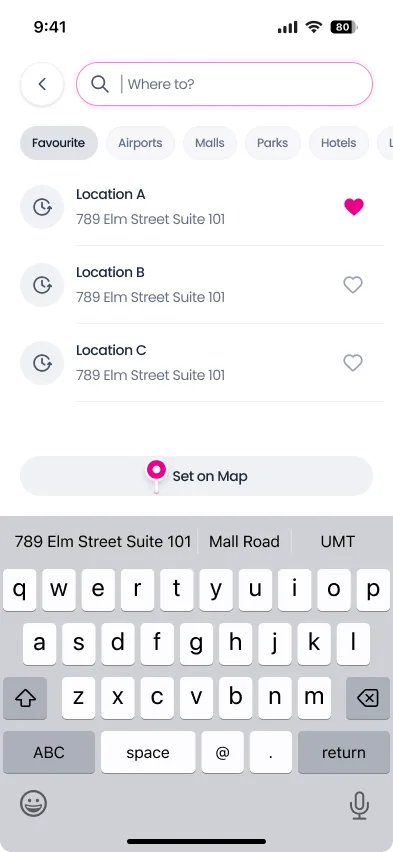
- Destination search with favourites and quick categories such as airports, malls, parks and hotels, plus “Set on map”.
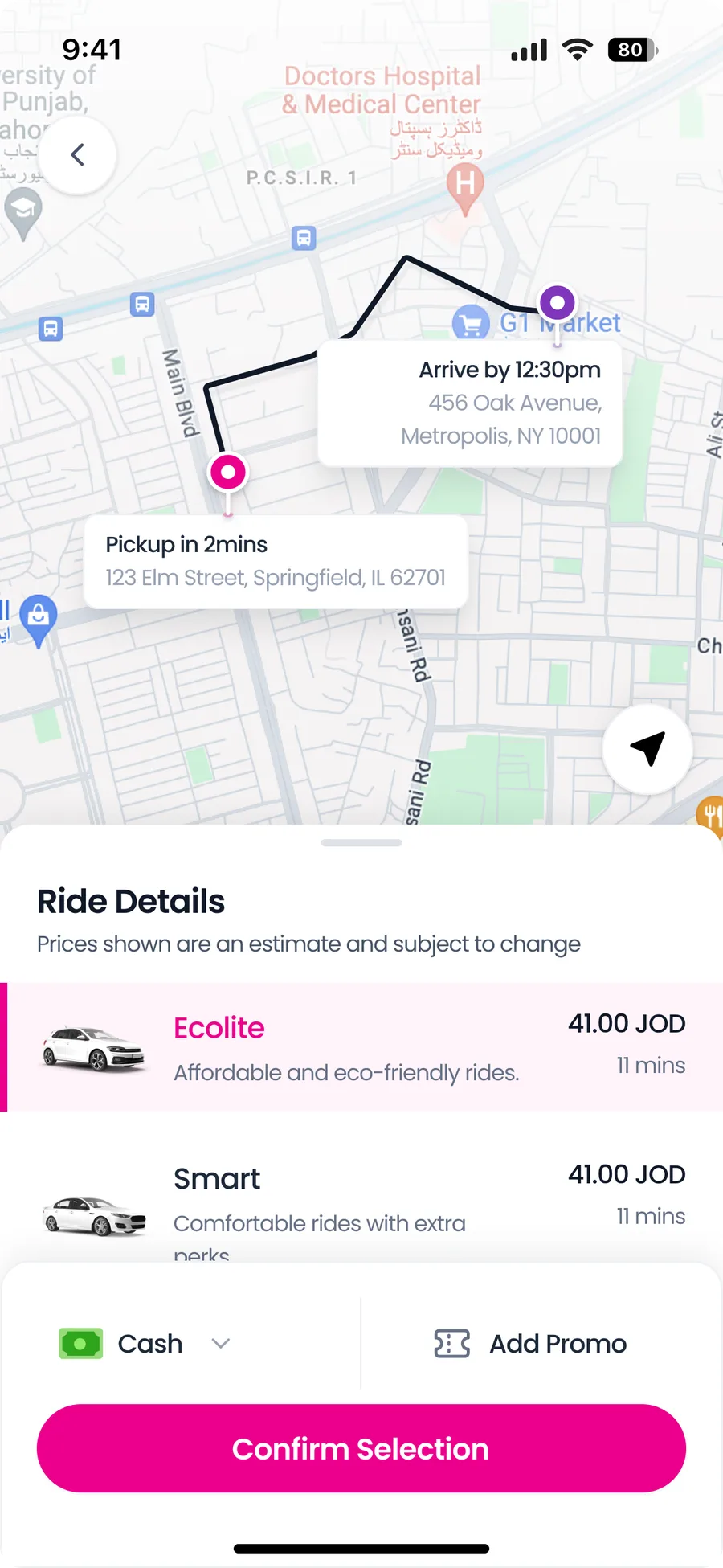
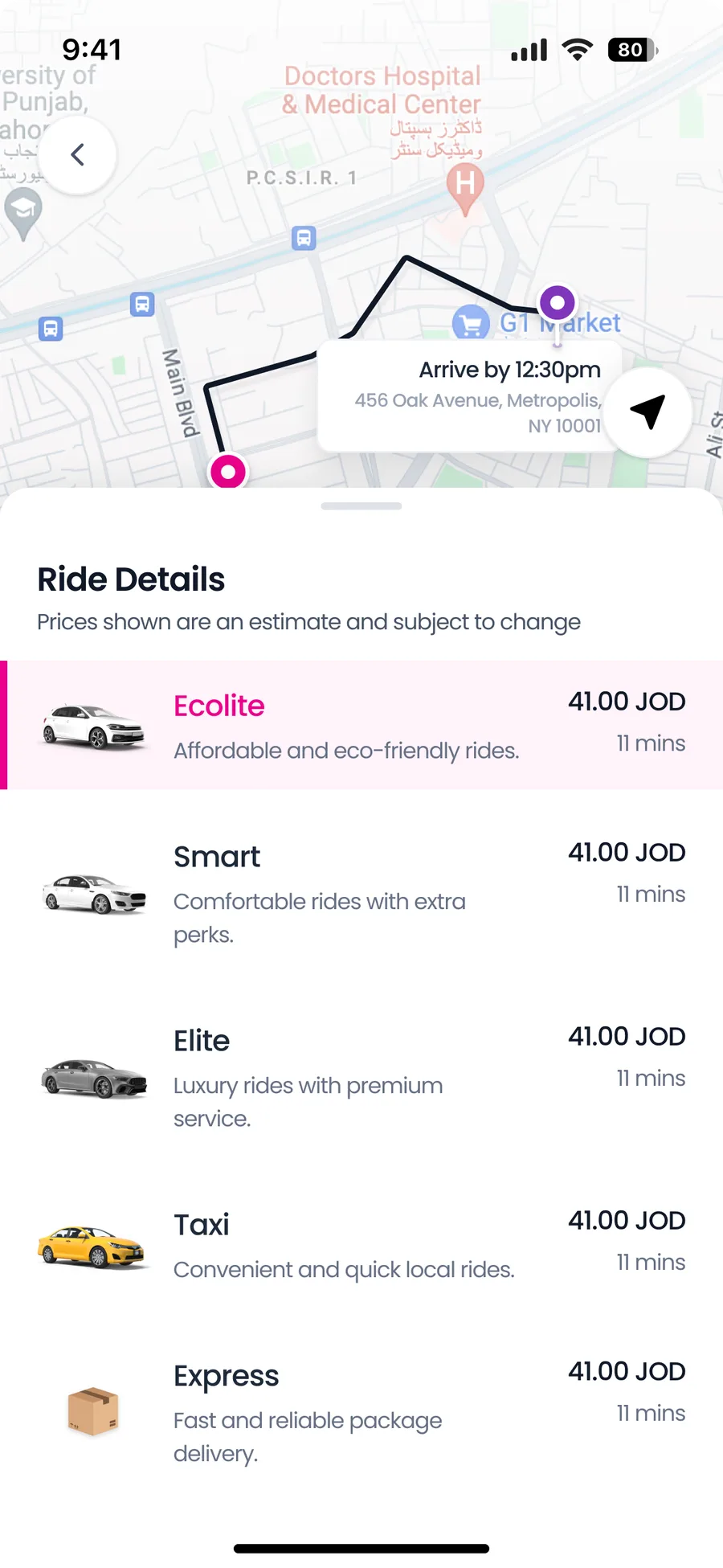
- A ride list showing each service type, its price estimate and arrival time, with payment method and promo in reach.
- One clear primary action to confirm the selection.
- An expanded list adds more service types, such as Elite, Taxi and Express.
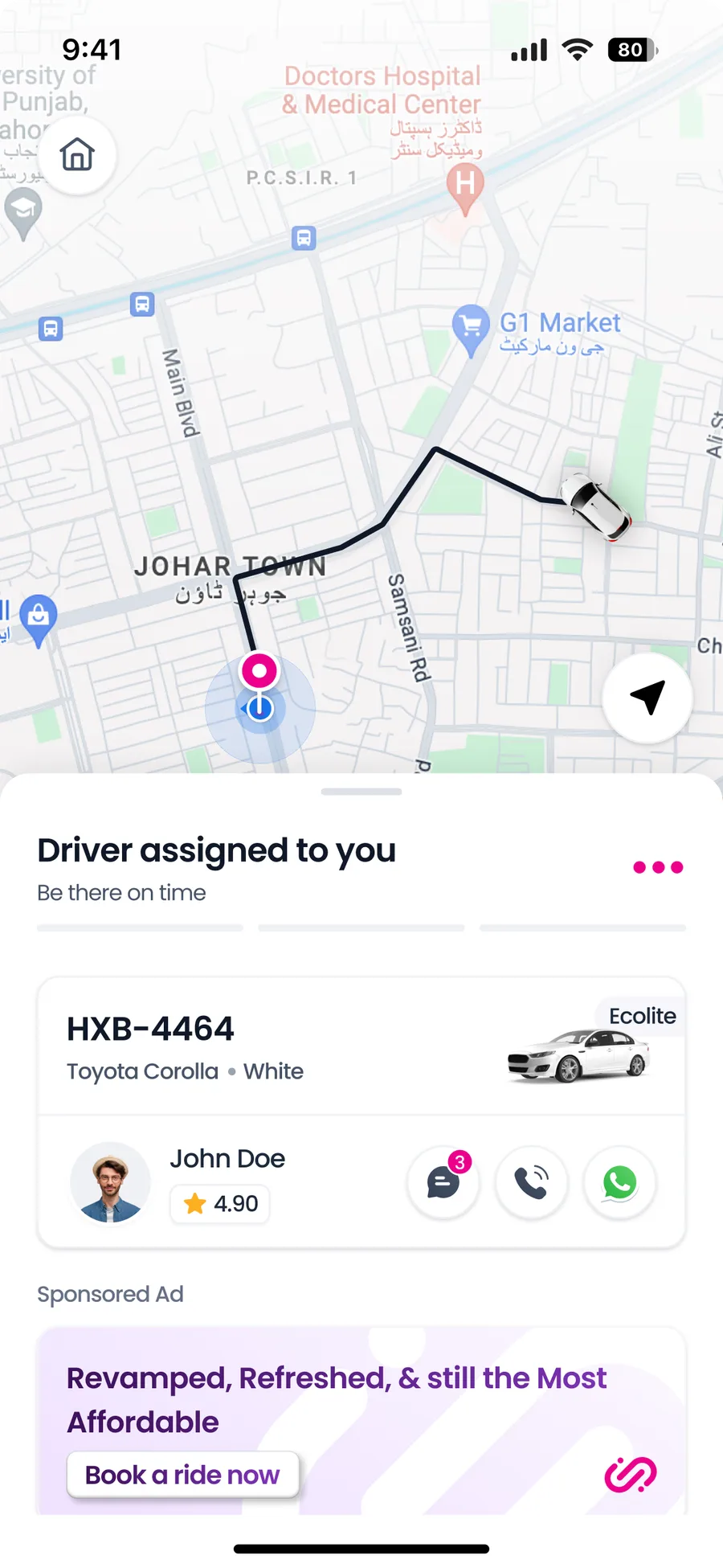
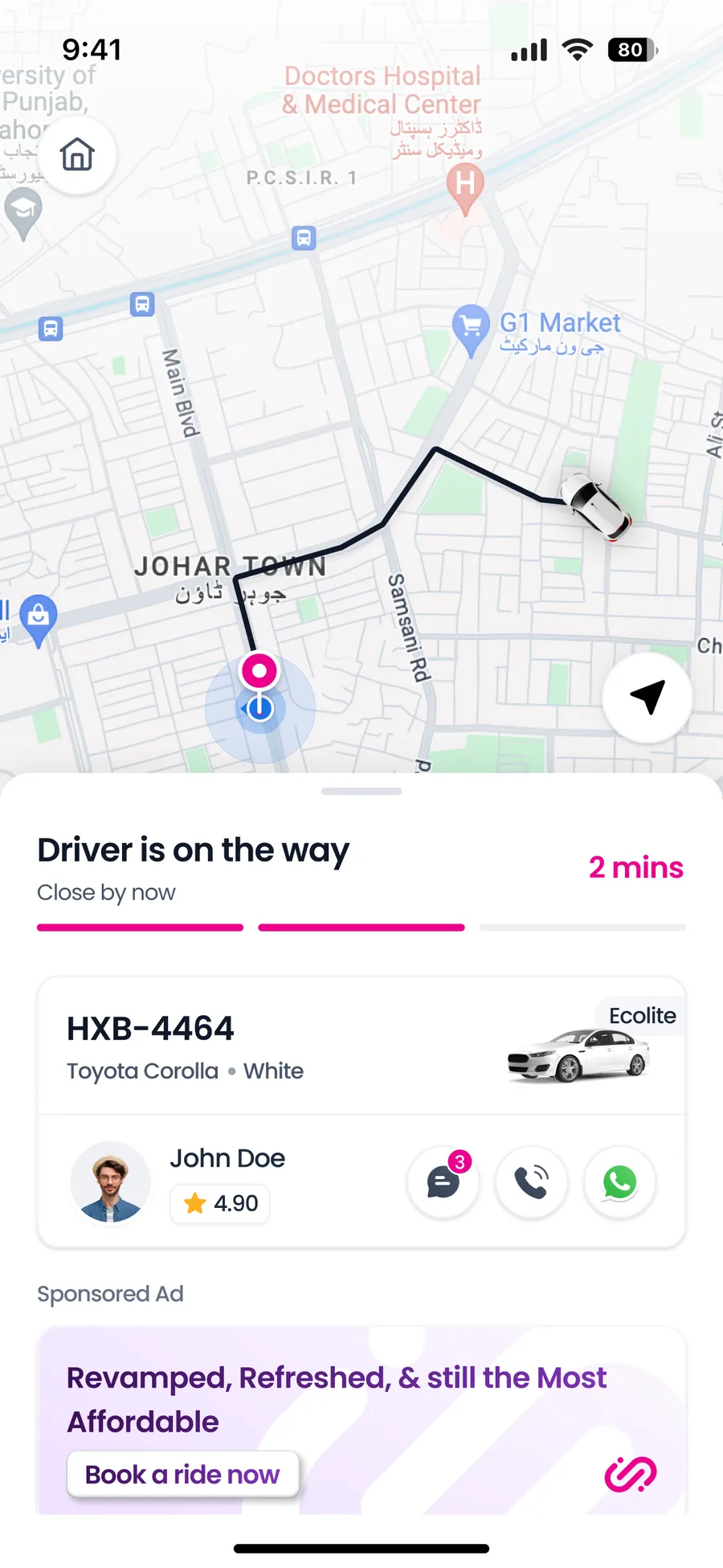
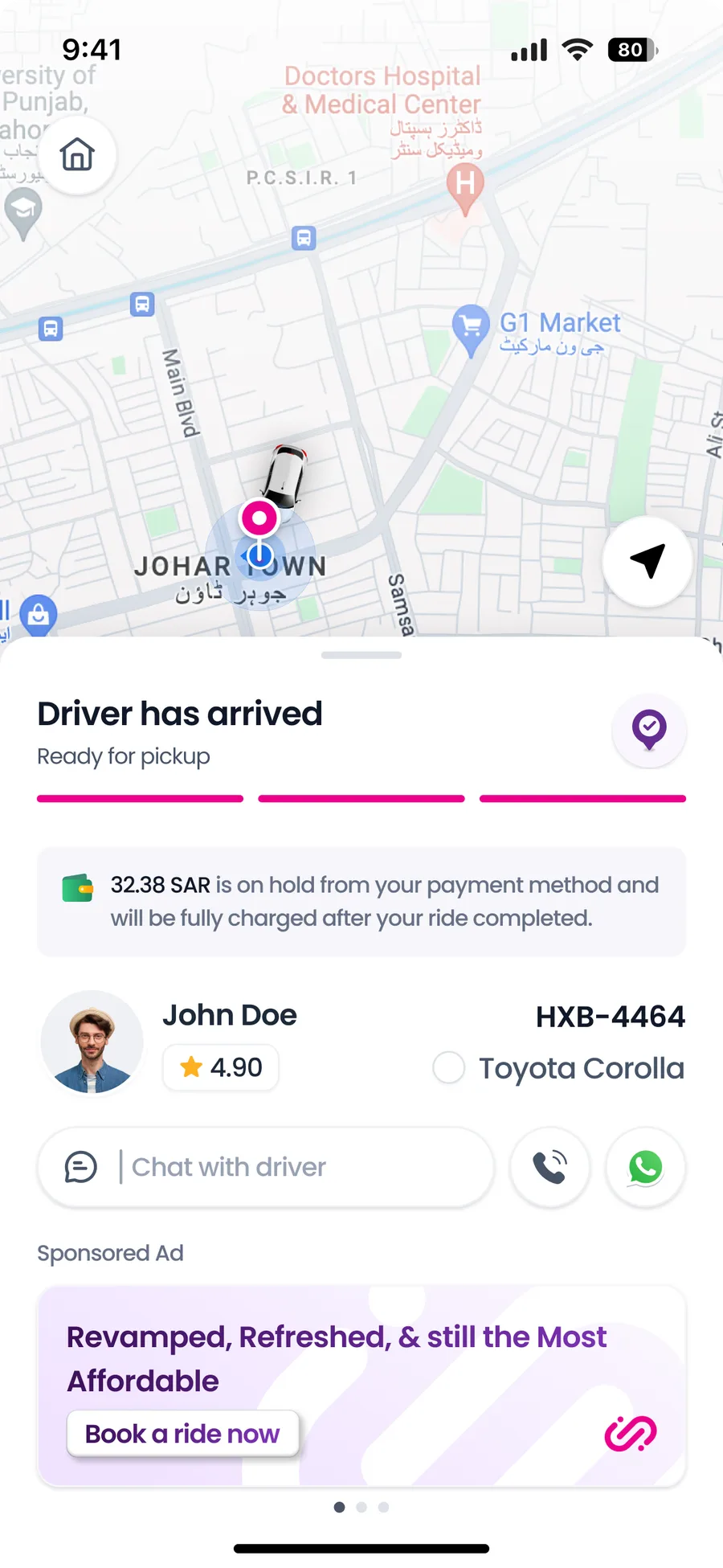
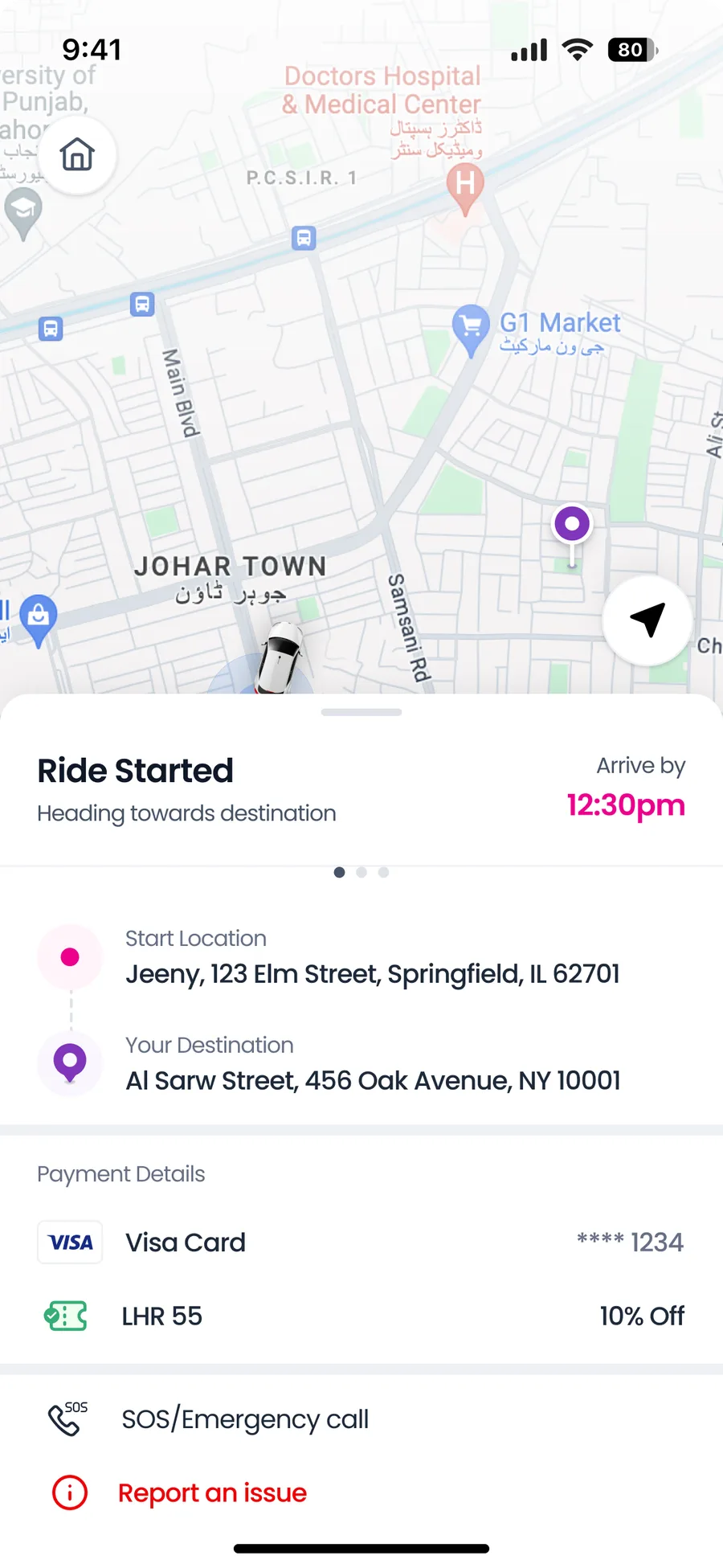
Every moment of the trip has a clear screen
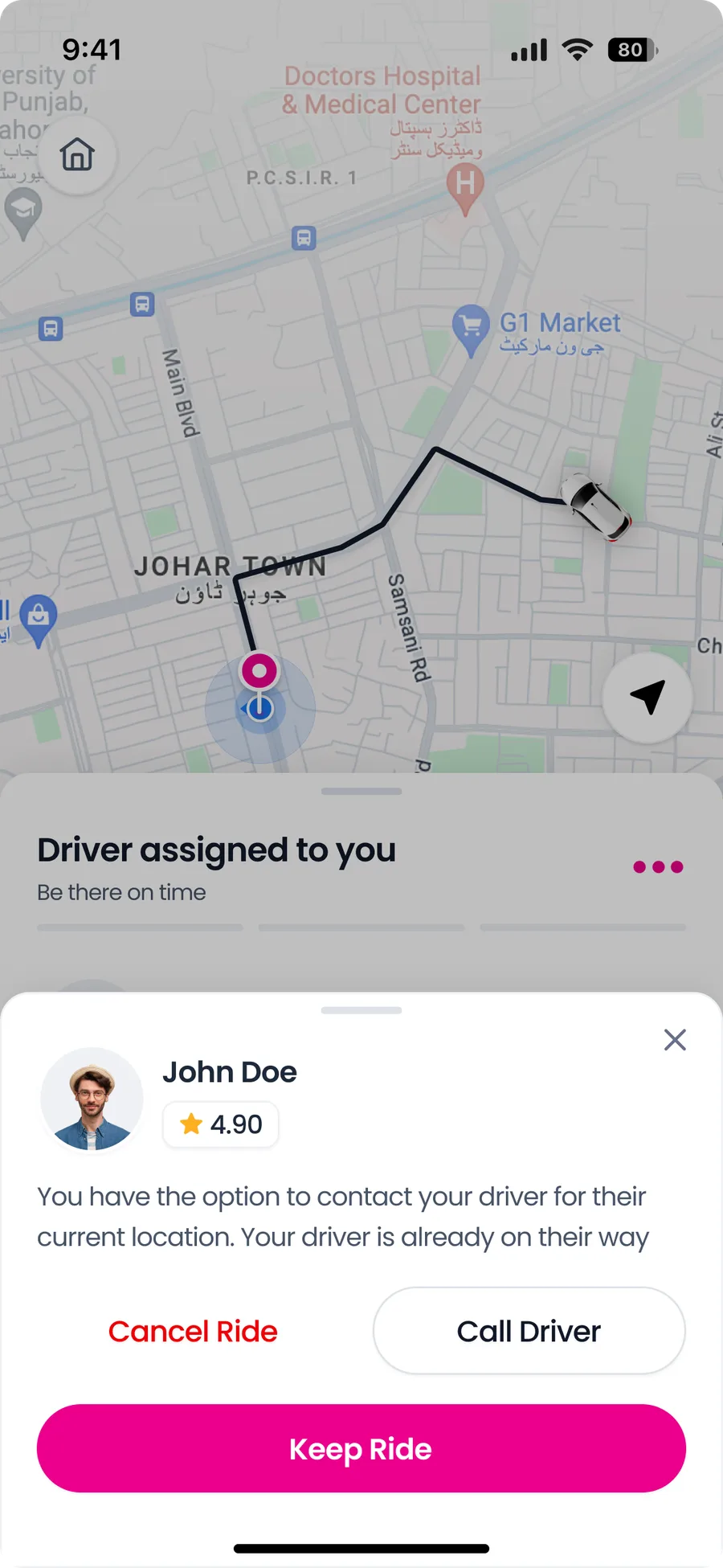
- Driver assigned, with the option to call, keep the ride or cancel it.
- Driver on the way, with an ETA, vehicle details and contact options.
- Driver arrived, with a notice that payment is on hold until the ride completes.
- Ride started, with route, arrival time, payment details, SOS and issue reporting.
Getting drivers signed up and saying yes
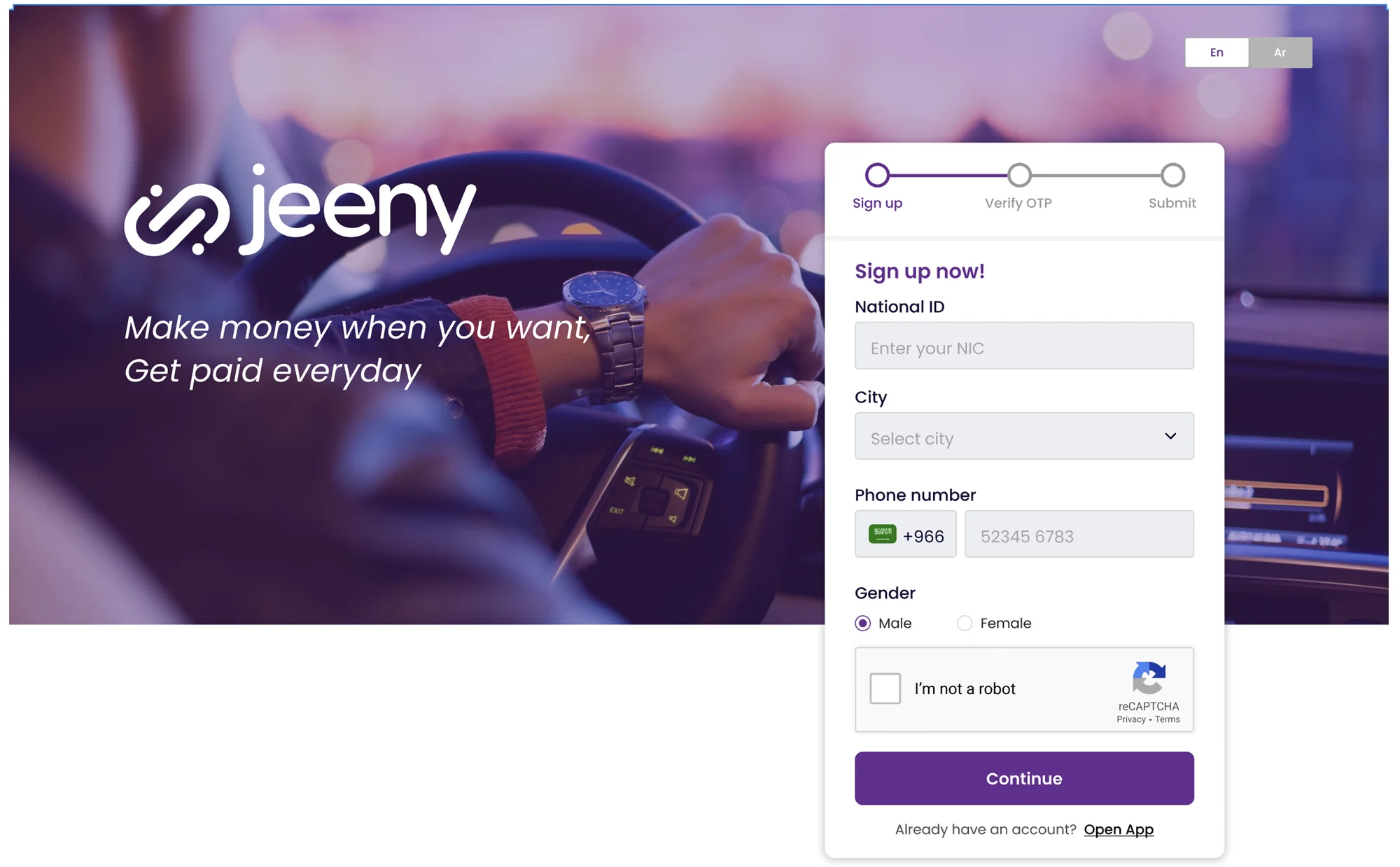
Driver sign-up is a short three-step flow (sign up, verify OTP, submit) with an English and Arabic language toggle and a Saudi phone prefix.
Beyond onboarding, I redesigned how ride requests are presented to drivers. The aim was to make each opportunity clearer, and to give drivers more time and context to decide whether to accept.
Tools for the operations team
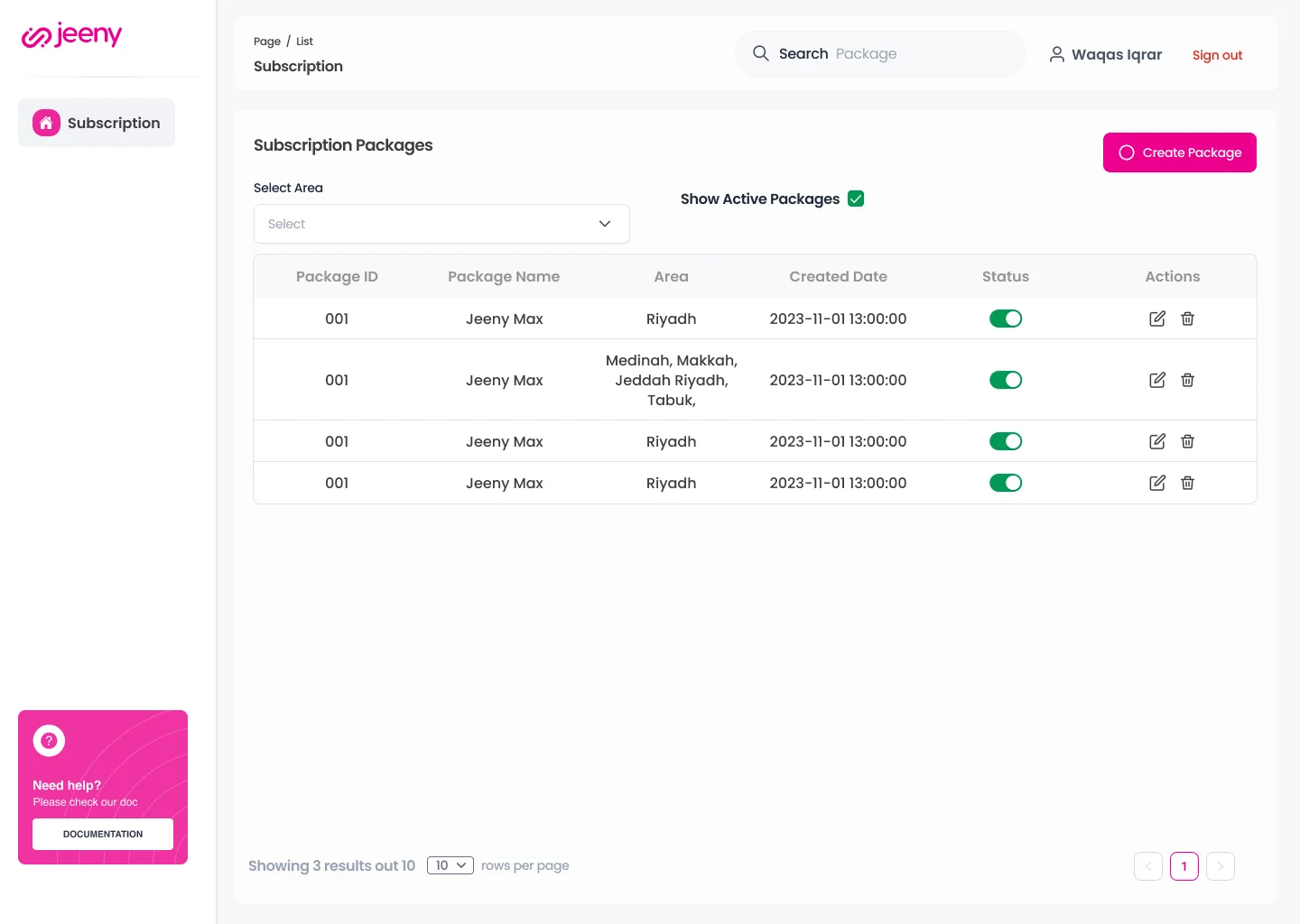
A web table for managing subscription packages by area, with status toggles, edit and delete actions, and a primary “Create package” action.
One system across three products
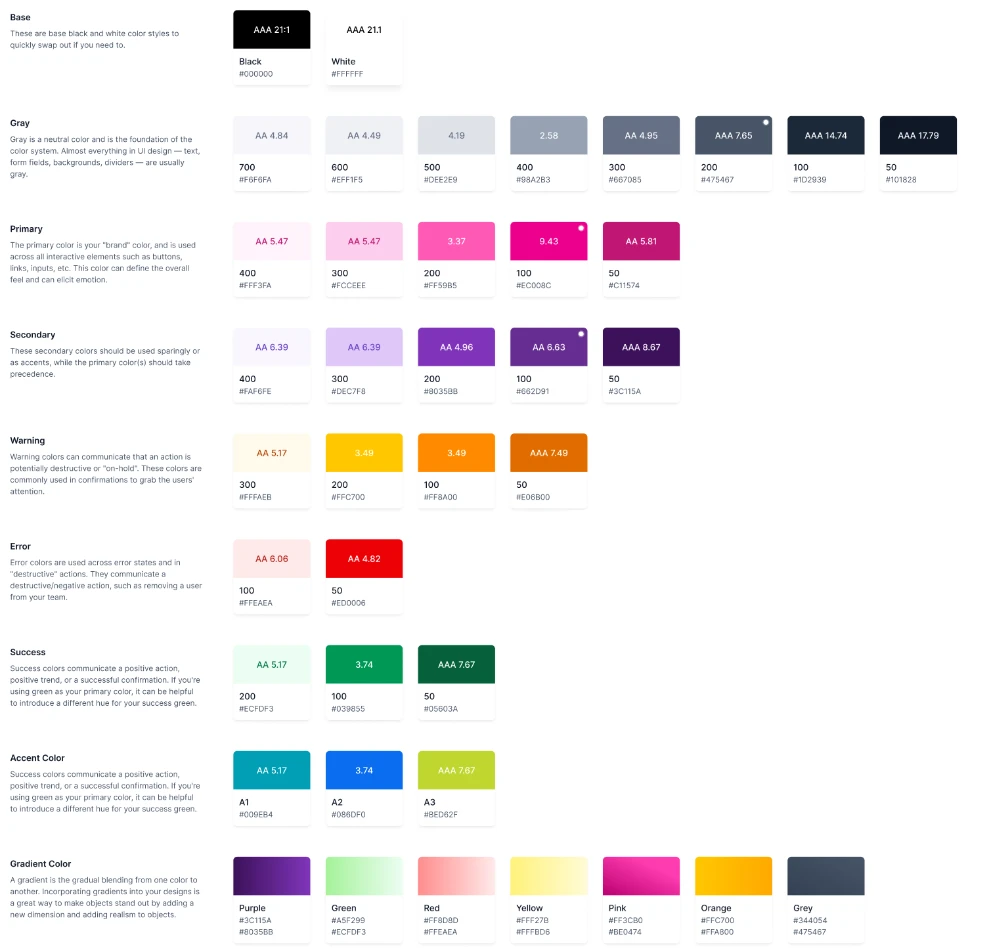
I built and evolved a scalable design system so that the rider app, the driver app and the internal tools share components and behave consistently.
Working with product and engineering
I partnered closely with product managers, engineers and stakeholders to define problems, shape product strategy and deliver end-to-end experiences, staying involved from first discovery through to development.
What changed
Conversion improved on both sides of the marketplace, for riders and for drivers, after the redesigned flows went live. Several changes shipped in the same period, so I don’t credit the improvement to any single feature.